Some mission organizations are known for where they go. Others are known for what they build. Mesa Global is known for something beautifully relational: who they gather, equip, and send into faithful service.
At the heart of Mesa Global is a simple but expansive mission: equipping servant leaders with the church for God’s mission. That phrase carries a great deal of meaning. Mesa Global does not approach global missions as a solo effort, a short-term project, or a one-directional model of help. Instead, the organization works alongside churches, seminaries, ministry leaders, local believers, and global workers to strengthen the people who are already serving in their own communities.
In other words, Mesa Global believes that when local leaders are formed, supported, trained, and encouraged, entire churches can flourish. And when churches flourish, communities begin to experience the love of Christ in practical, visible, and lasting ways.
For Mission Finder readers, Mesa Global is a compelling example of global mission done with humility, partnership, and long-term vision. You can learn more through their Mission Finder profile or by visiting the Mesa Global website.
A Long History of Equipping the Church
Mesa Global’s story reaches back decades. The organization traces its roots to ministry efforts that began in the 1940s, including the founding of United World Mission in 1946. Over time, its approach developed from a more traditional missionary-sending model into a deeply collaborative ministry focused on partnership, leadership development, theological education, and local church strengthening.
That history matters because it shows a ministry willing to learn, adapt, and listen. Mesa Global has not simply preserved an old model under a new name. It has continued asking how global mission can be more faithful, more mutual, and more effective in today’s world.
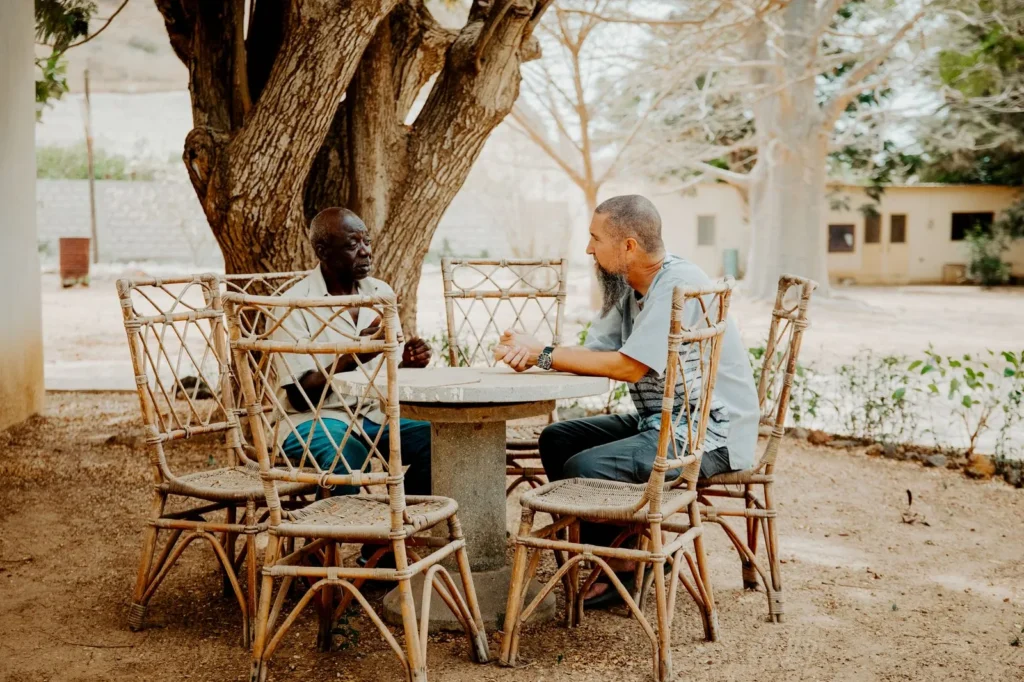
In 2024, United World Mission and the Overseas Council ministry adopted the name Mesa Global to reflect a unified mission of equipping leaders globally. The name itself is meaningful. “Mesa” suggests a table — a place where people gather, share, listen, plan, pray, and serve together. It captures the organization’s “around-the-table” approach: bringing together a world of people doing good for the sake of the gospel.
That picture of a table is more than branding. It reflects a ministry posture. Mesa Global believes in the local church. It believes in the leaders God is raising up in communities around the world. And it believes that the best mission work often happens when people stop working in isolation and begin serving together.
Equipping Leaders for a Flourishing Church
Mesa Global’s vision is to see a flourishing church in every place embodying Jesus’ love for every person. That is a large vision, but the pathway is very practical: equip leaders who can serve well.
The organization describes a flourishing church as one that proclaims the gospel, embodies it in reconciled community, and demonstrates it through acts of service, mercy, and justice. This is an important balance. Mesa Global is not only concerned with church growth as a number. It is concerned with healthy leaders, healthy communities, and churches that become a living witness to the love of Jesus.
That kind of ministry requires more than enthusiasm. It requires formation. Leaders need theological grounding. They need spiritual care. They need mentoring, training, collaboration, and encouragement. They need people who understand their context and are willing to walk beside them over time.
Mesa Global’s work is built around that conviction. It helps plant churches and support evangelism. It assists ministries of mercy and justice. It contributes to theological education and training. And through all of this, it seeks the holistic formation of current and emerging leaders.
What stands out is the word “with.” Mesa Global equips servant leaders with the church, not apart from it. Its model honors local believers and local ministries as essential partners in God’s mission.
The Around-the-Table Approach

Mesa Global’s approach can be understood through three major expressions: grassroots ministry, training and education, and collaborative networks.
Grassroots ministry is where mission becomes close, relational, and embodied. Mesa Global places staff around the world to work closely with local partners who are growing churches, training leaders, and serving communities. These workers are not simply visiting from a distance. They serve arm-in-arm with churches and ministries, building trust through long-term presence and practical care.
Training and education is another major part of Mesa Global’s calling. The organization works to see leaders grow by connecting them with the resources, training, and education they need to lead and serve sustainably. This includes theological education, leadership development, spiritual formation, mentoring, and support for ministry leaders in many different contexts.
Collaborative networks bring the work together at a larger scale. Mesa Global helps build regional networks that break down silos, foster relationships, share knowledge, and align efforts around the needs of local churches and their communities. In a global ministry landscape where many people are working hard but sometimes separately, this commitment to connection is deeply valuable.
The result is a model that moves from ground level to broad strategy. Mesa Global serves on the ground with local leaders while also helping connect churches, seminaries, training programs, missionaries, scholars, and ministry partners across regions. It is practical and visionary at the same time.
Training That Reaches Beyond the Classroom
One of Mesa Global’s most significant contributions is its investment in theological education and training. Through the legacy of Overseas Council and its expanding network of partners, Mesa Global works with more than 130 seminaries and training institutions around the world.
This work is especially important because many church leaders serve in places where access to high-quality theological education may be limited, costly, or difficult to reach. Mesa Global helps create pathways for leaders to receive the training they need without being separated from the communities they are called to serve.
The organization’s theological education efforts include regional training hubs, theological education consulting, Mesa Scholars, institutes for excellence, scholarships and fellowships, non-formal training, and spiritual formation resources. That variety matters because leadership development does not look the same everywhere. Some leaders may need formal seminary education. Others may benefit most from mentoring, workshops, retreats, practical ministry training, or contextualized resources in their own region.
Mesa Global’s model recognizes that equipping leaders is not only about transferring information. It is about forming people who can teach, shepherd, plant, counsel, reconcile, serve, and lead in the way of Jesus.
That emphasis on formation gives the work a pastoral depth. A church may be strengthened by good strategy, but it is sustained by leaders whose hearts, minds, and character are being shaped for faithful service.
Serving Communities Around the World
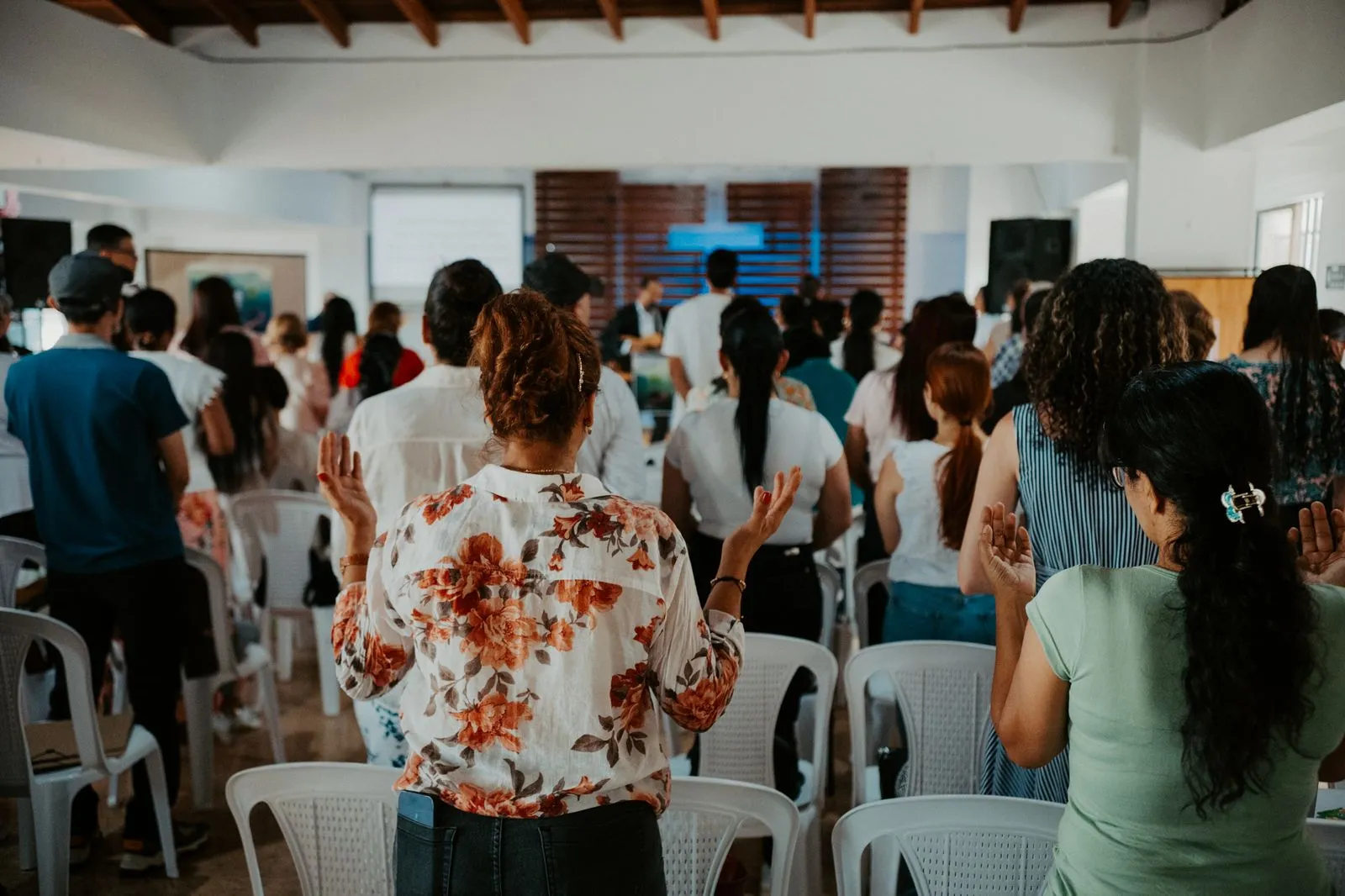
Mesa Global’s work reaches across Africa, Asia, Europe, Latin America and the Caribbean, and North America. In each region, the organization seeks to work with a local mindset and a global reach.
In Africa, Mesa Global partners with churches in areas such as community development, business as mission, spiritual formation, counseling, education, and pastoral training. In Asia, where cultures, languages, and religious contexts are incredibly diverse, Mesa Global works with local believers and theological schools to engage unreached communities, establish churches, and equip leaders serving through education, social work, medical care, and business development.
In Europe, Mesa Global partners with local ministries to plant and grow churches, mentor leaders, invest in education, and meet the needs of refugees. In war-torn parts of Eastern Europe, the organization helps equip and resource leaders who are forming churches as reconciling witnesses of Christ’s love.
In Latin America and the Caribbean, Mesa Global works with partners from Mexico to Argentina to make theological education and training more accessible while strengthening national ministries in outreach. These ministries include discipleship, evangelism, community development, education, support for survivors of sex trafficking, counseling, Christian camping, and the mobilization of Latin Americans for global missions.
In North America, Mesa Global focuses in part on refugees, immigrants, asylees, and international students — people God has brought into cities and communities where churches have an opportunity to welcome, serve, disciple, and love their neighbors well.
This broad geographic reach is not just impressive. It reflects a deep belief that mission is both global and local. The needs may differ by region, but the heart remains the same: equip leaders, strengthen churches, and help communities encounter the love of Christ through word and deed.
Measurable Impact, Human Stories
Mesa Global reports annual impact metrics that help give shape to the scope of its work. The organization highlights thousands of churches strengthened, thousands of leaders equipped through education and training ministries, more than one hundred thousand people served through mercy, compassion, and development, and hundreds of new churches planted.
Those numbers matter because they represent real people: pastors encouraged, students trained, churches planted, refugees welcomed, communities served, and leaders given